
10Jan1918 – 30July1944

Edison Days
Orlando attended Edison, but no information about his school activities have been found at this time.
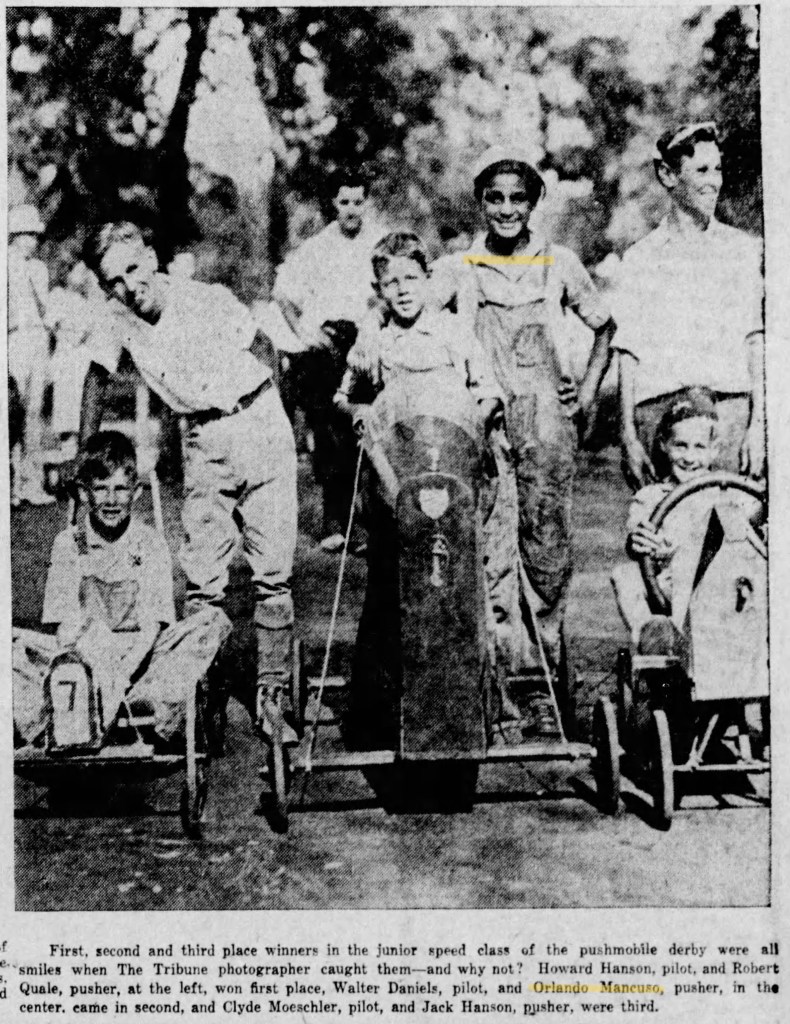
Orlando participated in the citywide pushmobile derby from 1930 to 1933, placing second in his class in 1930.
In 1932 he competed in a large Track and Field meet for NE boys and placed in several events.

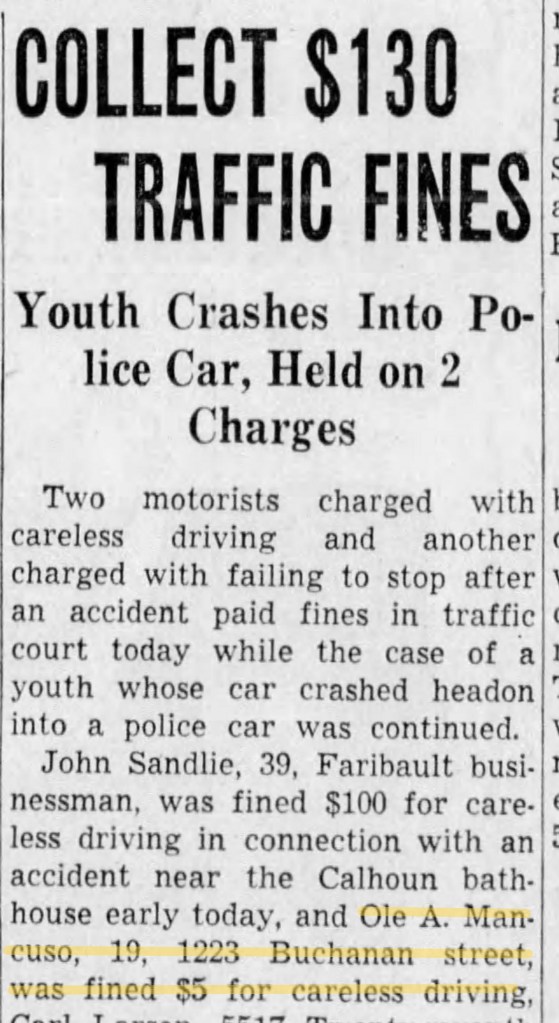
A traffic ticket got him into the newspaper in 1937.
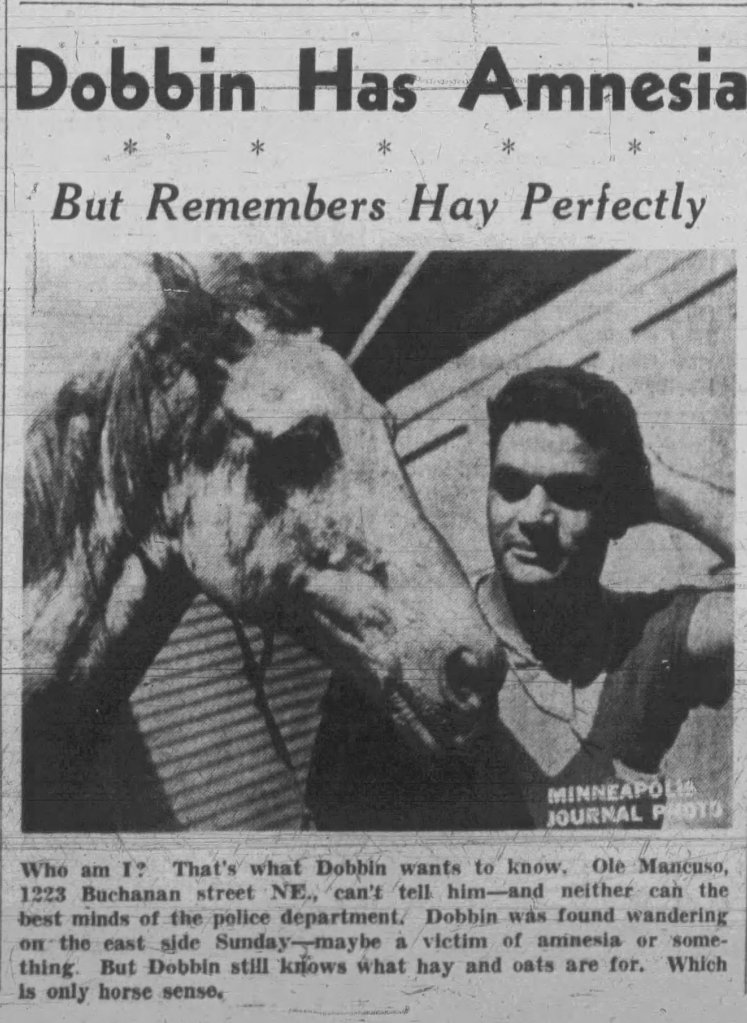
In 1939 he made the paper for finding a horse!
Military Service
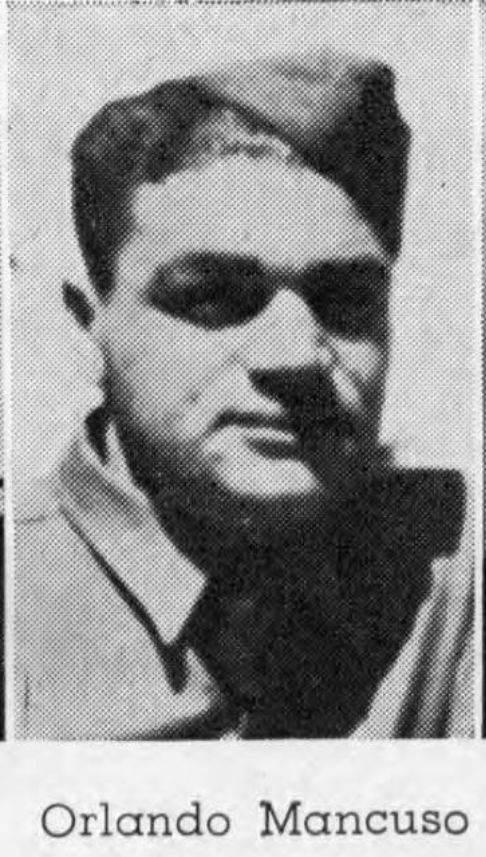

Rank: Sergeant
Branch: United States Army
Unit: 66th Armored Regiment – 2nd Armored Division
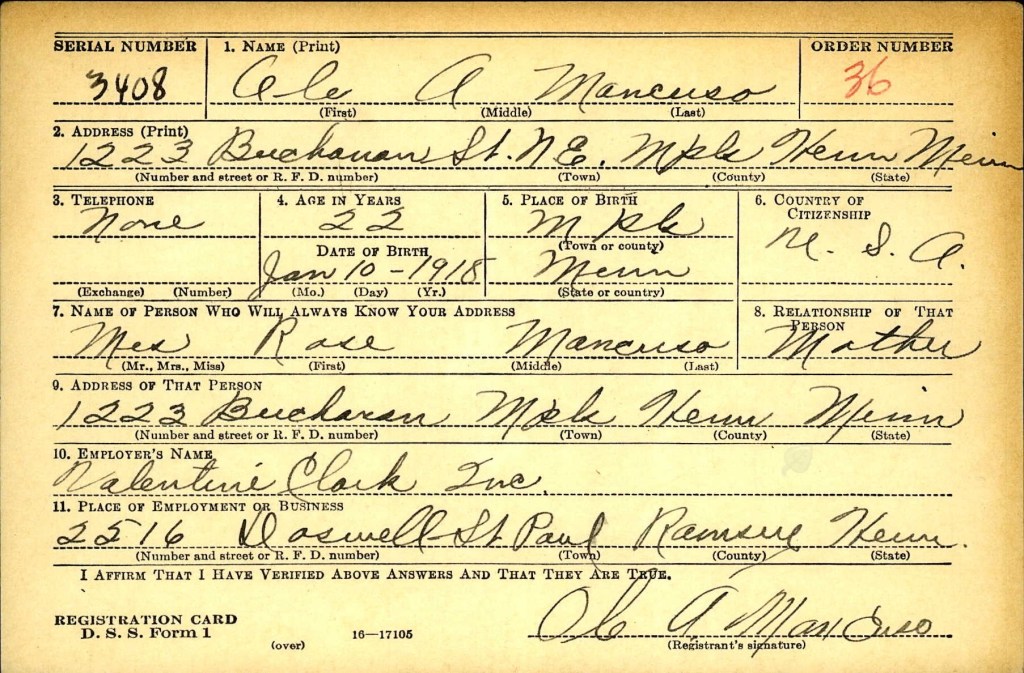
Orlando’s entered the service in 1940. it is unknown where he attended basic training. It is likely that he joined the 66th Armored Regiment at Fort Benning, Georgia in late 1940 or early 1941.
In June 1941, the 66th Armored Regiment, as a part of Maj. Gen. George Patton’s 2nd Armored Division, participated in the Second Army Maneuvers conducted in the Camp Forrest area of middle Tennessee. Located southeast of Nashville around the towns of Murfreesboro, Shelbyville, and Manchester, the rugged area was considered unsuitable for tanks by most of the military commanders. Many expected the mountains, forests, and several rivers of the area to give the opposing side’s infantry a considerable advantage over Patton’s tanks.
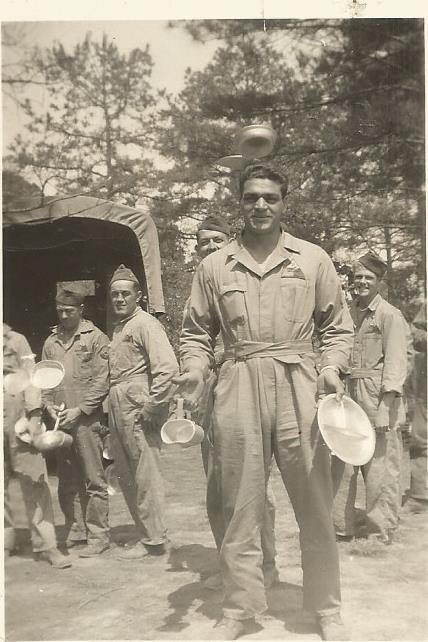
The 66th Armored Regiment, as part of the 2nd Armored Division, participated in the Louisiana Maneuvers held between 9Aug1941 and 3Oct1941. These maneuvers were conducted in an area of western Louisiana and eastern Texas.
After 2 years of training, Orlando and the regiment participated in Operation Torch, the amphibious landings in French Morocco on 8Nov1942, as part of the Western Task Force targeting Casablanca.
The 66th Armored Regiment led the 2nd Armored Division’s advance and was credited with spearheading the triumphant entry into Casablanca after brief resistance from Vichy French forces ceased.
After securing Morocco, the regiment and the division remained primarily on garrison and training duties in French North Africa. They saw limited further combat
The 66th Armored Regiment next participated in Operation Husky, the Allied invasion of Sicily from 10Jul1943 to 17Aug1943. This was the regiment’s first major combat after North Africa, marking the initial Allied assault on Axis-held European territory.
Initial U.S. landings (by the 3rd Infantry Division) occurred on July 10 around Licata and Gela in southern Sicily. The 66th’s elements began coming ashore around July 10–11, supporting the beachheads in the Gela sector against Italian and German counterattacks.
The 66th Armored Regiment (with the 41st Armored Infantry Regiment and supporting artillery), played a crucial role in repulsing fierce counterattacks by the Italian “Livorno” Division and elements of the German Hermann Göring Panzer Division. Tanks from the 66th helped blunt armored assaults, with naval gunfire and direct tank engagements destroying several enemy tanks and dispersing infantry.
After securing the beachheads, elements of the 2nd Armored Division (including the 66th) advanced rapidly westward and then northward. Under Gen. George S. Patton’s aggressive push, the division captured key ports like Porto Empedocle and Agrigento, then drove to Palermo (the Sicilian capital), entering on July 22, 1943, with armored columns leading the way.
The Sicilian campaign ended on 17Aug1943. Over the next 3 months the 66th was transfered to England to rearm and train for the invasion of France.
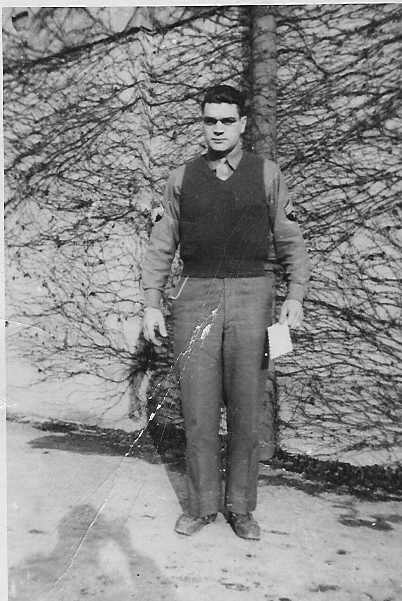
Orlando and the 66th Armored Regiment did not participate in the initial D-Day assaults. Instead, elements began landing on 9Jun1944 (D+3), primarily at Omaha Beach, with follow-on units ashore shortly after. The regiment quickly assembled inland to support the expansion of the beachhead and link up U.S. forces between Omaha and Utah Beaches.
One of the regiment’s most notable early engagements. As part of Combat Command A (CCA), tanks from the 66th supported the 101st Airborne Division southwest of Carentan. They helped repel a strong counterattack by elements of the German 17th SS Panzergrenadier Division and 6th Fallschirmjäger Regiment, securing the link between Utah and Omaha Beach sectors. This action is depicted in the HBO series Band of Brothers.
The regiment participated in attacks around Saint-Denis-le-Gast and Notre-Dame-de-Cenilly in late July. On 25July1944 the regiment was part of Operation Cobra, a major offensive to breakout of the hedgerow country around Normandy where Allies had been stalled since the initial landings on 6Jun1944. The unit was involved in intense fighting for several days.
The 2nd Battalion and its attached elements attacked east toward Tessy Sur Vire on 30July1944. The battalion fought against heavy resistance and then repelled a strong German counterattack. Under heavy artillery fire, they reached and secured the objective of the crossroads at Villebaudon. Orlando was killed in action by German artillery fire during this engagement.


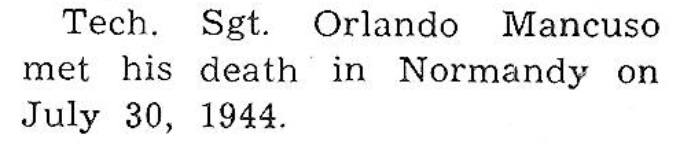
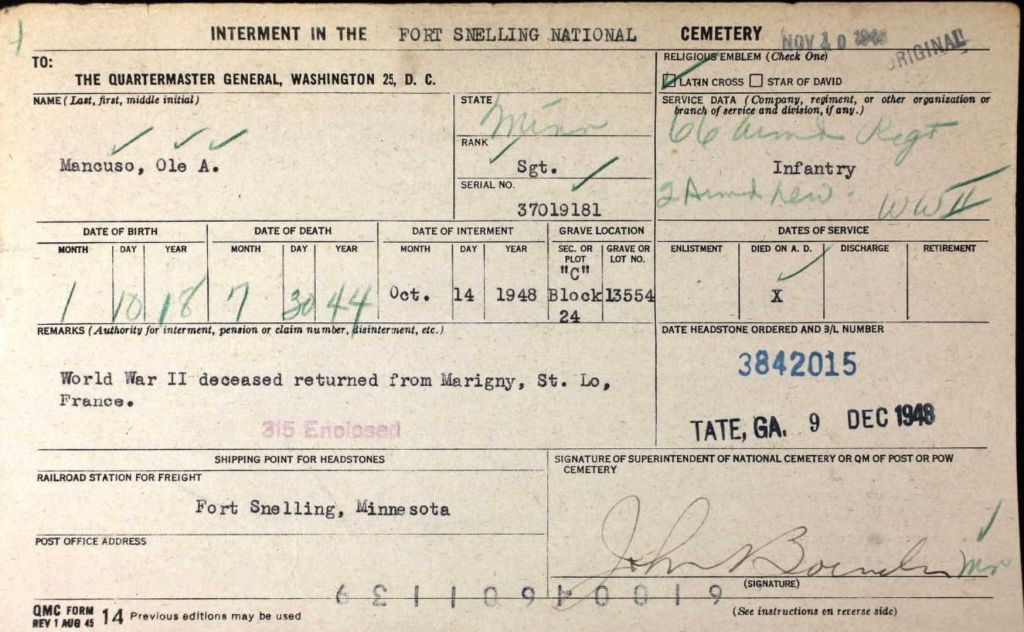
Orlando was originally buried in a military cemetery in Marigny, St. Lo, France. In 1948 his remains were returned to Minnesota for reburial.
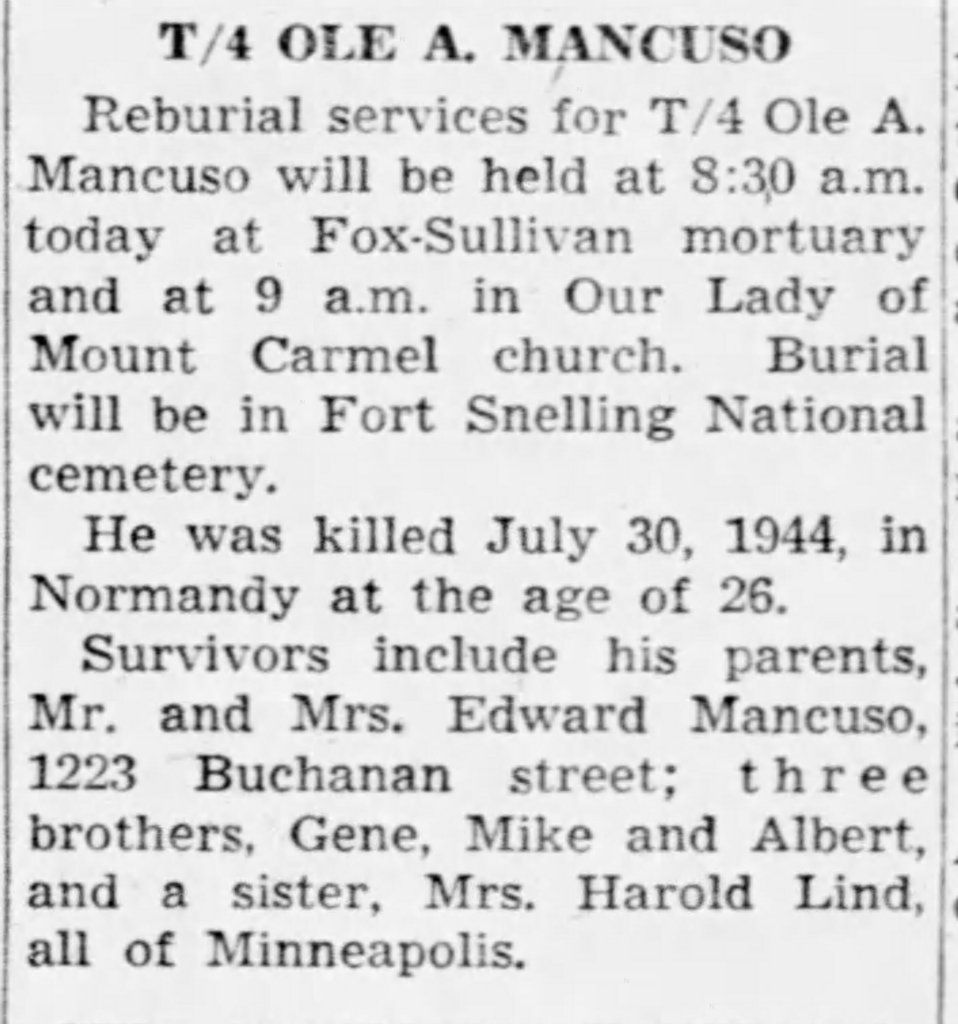
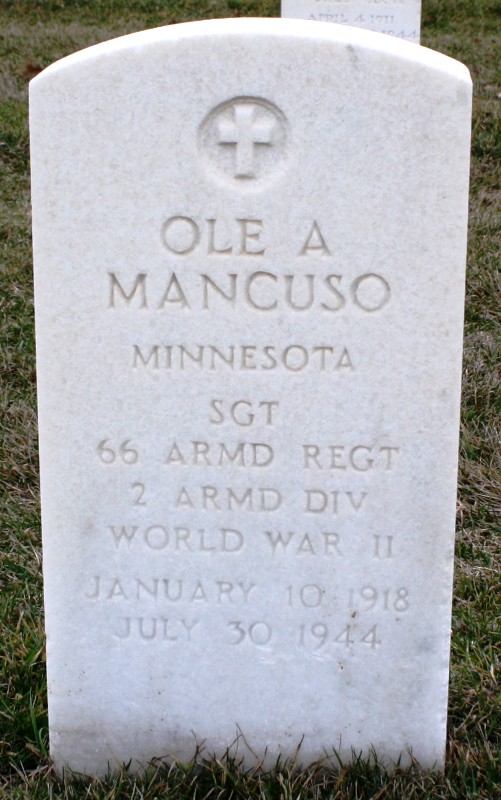
He is buried at Fort Snelling National Cemetery in Minneapolis, Minnesota.
 Edison Heroes